
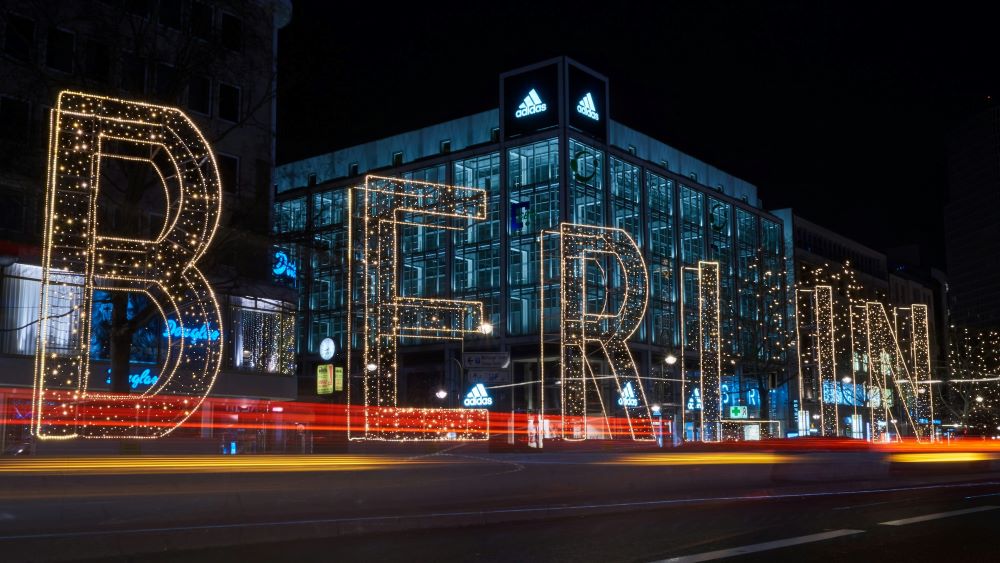
Berlin, the capital of Germany, is a city that offers a fascinating blend of history, culture, art, and modernity. From its iconic landmarks like the Brandenburg Gate to its vibrant neighborhoods and exciting nightlife, Berlin is a must-visit destination for travelers seeking a unique European experience. Whether you’re a history enthusiast, an art lover, or someone looking to explore dynamic urban landscapes, Berlin has something to offer everyone. In this comprehensive Berlin travel guide, we’ll cover everything you need to know before visiting, including the city’s rich history, how to get there, the best places to stay, and the top attractions to visit. Let’s dive in with us Berlin Travel Guide!
History
Berlin’s history dates back to the 13th century when it was founded as a small settlement on the banks of the River Spree. Over the centuries, it grew into a powerful and influential city, eventually becoming the capital of Prussia and later the German Empire in 1871. The city’s marked by two world wars and a dramatic division during the Cold War. After the devastation of World War II, the city was split into East Berlin, controlled by the Soviet Union, and West Berlin, a free enclave surrounded by East Germany. The Berlin Wall, erected in 1961, symbolized the divide between East and West, both ideologically and physically.
The fall of the Berlin Wall in 1989 marked a historic turning point, leading to the reunification of East and West Germany and transforming Berlin back into the united capital of Germany. Today, Berlin stands as a symbol of resilience and renewal, with its complex history woven into the fabric of the city’s vibrant culture.
How to Get to Berlin: Transportation Options
By Air: Reaching Berlin’s Airports
Berlin is well-connected to the rest of the world through two major international airports: Berlin Brandenburg Airport (BER) and Berlin Tegel Airport (TXL). BER is the newer and larger of the two, serving as the primary gateway for international flights. It is located about 18 km south of the city center, with direct connections to the city via the S-Bahn, bus, and taxi services.
From Tegel Airport, located around 8 km from the city center, you can easily reach Berlin’s downtown areas via public transportation, including buses and taxis. The airport is also well-connected by road, making it convenient for travelers arriving by car.
By Train: A Scenic Ride to Berlin
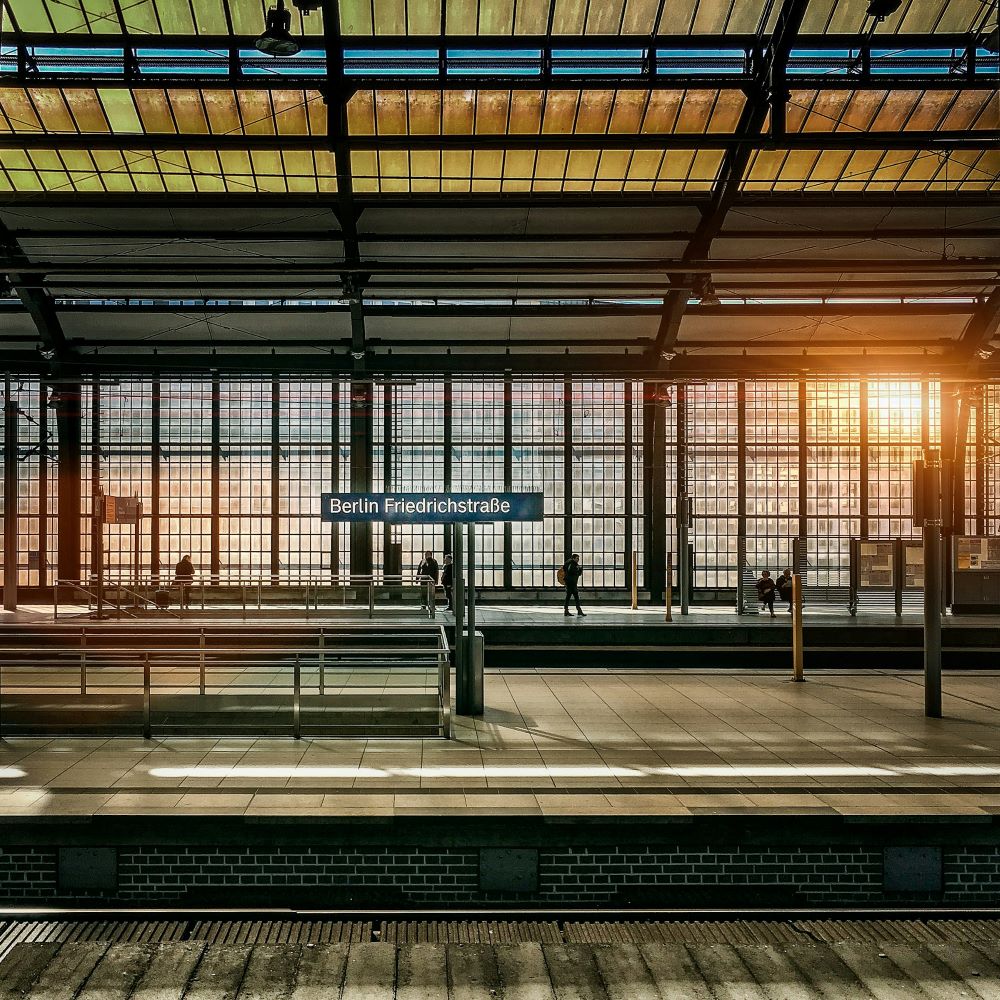
Berlin is also easily accessible by train, with the main railway station, Berlin Hauptbahnhof (Berlin Central Station), located in the heart of the city. High-speed trains such as the ICE (InterCity Express) connect Berlin with other major cities in Germany, including Frankfurt, Munich, and Hamburg. If you’re traveling from neighboring countries, trains from Poland, the Netherlands, and the Czech Republic also stop at Berlin Hauptbahnhof.
By Car: Driving to Berlin
For those traveling by car, Berlin is accessible via the Autobahn system, which connects the city to major highways leading to other parts of Germany and Europe. The city’s road network is well-maintained, and there are several parking options throughout the city. However, be aware that some parts of Berlin, especially in the city center, have limited parking and congestion during peak hours.
Where to Stay in Berlin: Accommodation for Every Budget
Berlin offers a wide range of accommodation options, from budget hostels to luxury hotels. No matter your budget or preferences, you’re sure to find a place that suits your needs.
Budget Accommodation: Hostels and Guesthouses
If you’re traveling on a budget, Berlin has plenty of affordable options for you. Hostels like The Circus Hostel and Generator Berlin offer clean and comfortable rooms at great rates. These hostels are perfect for solo travelers or groups looking to meet other like-minded individuals. Guesthouses and Airbnb rentals are also great alternatives for those seeking a homier experience without breaking the bank.
Mid-Range Accommodation: Boutique Hotels and Apartments
For a more comfortable stay, Berlin has a variety of boutique hotels and apartments. Neighborhoods like Kreuzberg and Prenzlauer Berg are known for their trendy hotels, offering stylish decor and modern amenities. Hotel am Steinplatz in Charlottenburg and Michelberger Hotel in Friedrichshain are excellent mid-range options.
Luxury Accommodation: 5-Star Hotels
If you’re looking for a luxurious experience, Berlin boasts several 5-star hotels. Consider staying at the Adlon Kempinski, one of the city’s most iconic hotels, located right next to the Brandenburg Gate. Other top luxury hotels include Hotel de Rome, housed in a former bank building, and The Ritz-Carlton, offering five-star service in the heart of Berlin’s Mitte district.
Top Attractions in Berlin: Must-See Sights
1. Brandenburg Gate: Symbol of Unity
One of Berlin’s most iconic landmarks, the Brandenburg Gate is a must-see for any visitor. This neoclassical gate, which once symbolized the division of East and West Berlin, is now a symbol of the country’s reunification. Visitors can take a photo in front of the gate and explore the surrounding Pariser Platz square, a hub for events and festivals.
2. The Berlin Wall Memorial: A Tribute to the Past
A visit to the Berlin Wall Memorial is a poignant reminder of the city’s divided past. The memorial stretches along the former Berlin Wall and includes preserved sections of the wall, a documentation center, and an exhibition detailing the history of the wall and its impact on the people of Berlin.

3. Museum Island: A Cultural Haven
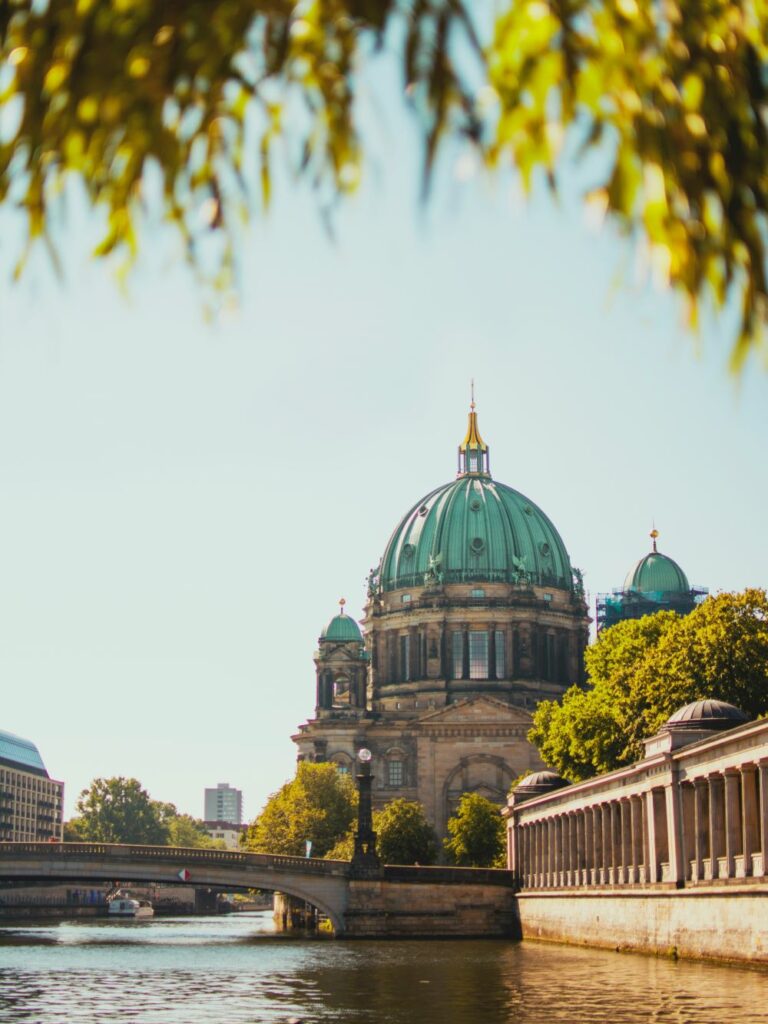
Museum Island in the Spree River is home to several world-renowned museums, including the Pergamon Museum and the Altes Museum. This UNESCO World Heritage site is perfect for history and art lovers. You can easily spend an entire day exploring the impressive collections of ancient art, artifacts, and cultural exhibits.
4. The Reichstag Building: Parliament and Panoramic Views
The Reichstag Building is Germany’s seat of government, and its glass dome offers stunning panoramic views of Berlin. Visitors can take a guided tour of the Reichstag, which includes a walk through the historical chambers and a visit to the glass dome, designed by architect Norman Foster.
5. East Side Gallery: The Art of Freedom
The East Side Gallery is a 1.3 km-long stretch of the Berlin Wall, now covered in vibrant street art and murals. This open-air gallery commemorates the fall of the Berlin Wall and features works by artists from around the world. It’s a colorful, artistic tribute to freedom and unity.
6. Tiergarten Park: Berlin’s Green Oasis
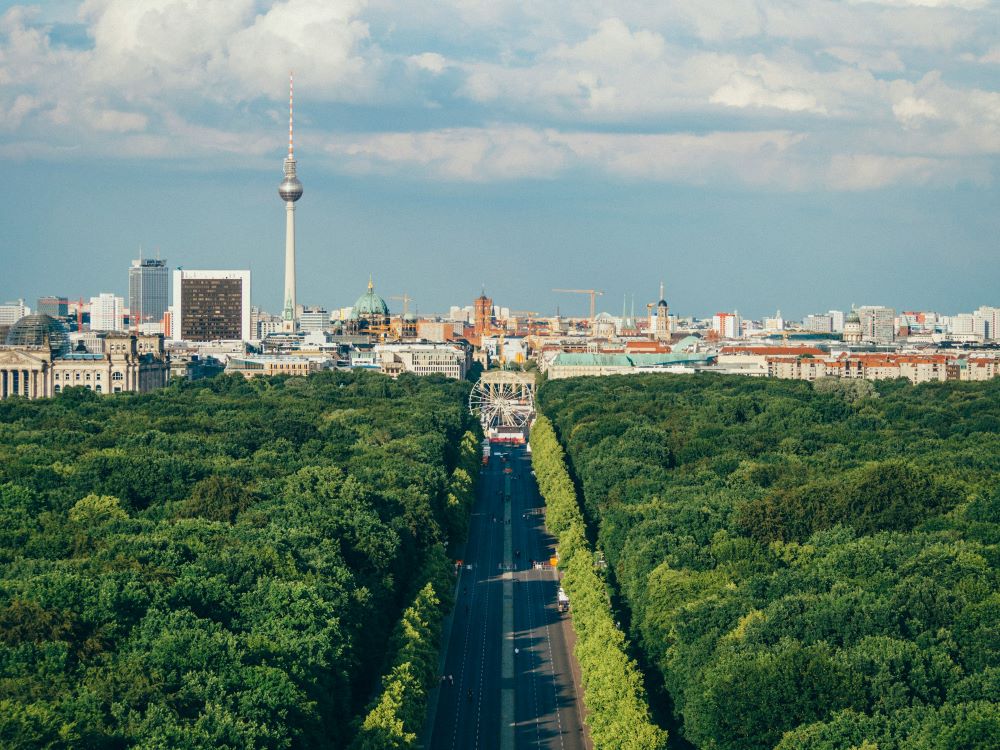
If you’re looking for a peaceful escape, Tiergarten Park is Berlin’s largest and most popular park. Located near the Brandenburg Gate, this expansive green space offers walking paths, lakes, and cafes, making it the perfect spot for a relaxing afternoon.
Conclusion for Berlin Travel Guide: Why Berlin Should Be Your Next Travel Destination
Berlin is a city that blends history, culture, and modernity in a way that few other cities can. With its fascinating historical sites, vibrant arts scene, diverse neighborhoods, and excellent food, Berlin offers something for every type of traveler. Whether you’re interested in history, art, or simply enjoying the city’s dynamic atmosphere, Berlin will captivate you.
If you’re planning a trip to Europe, make sure Berlin is on your itinerary. This city is ready to welcome you with open arms, offering an unforgettable experience that you’ll cherish for years to come. We have come to the end of our Berlin travel guide.
Frequently Asked Questions (FAQs) About Berlin:
1. What is the best time to visit Berlin?
The best time to visit Berlin is during the spring (April to June) and fall (September to October), when the weather is mild and the city is less crowded. Summer (July and August) is also popular, but it can be busy with tourists. Winter (December to February) is cold, but the city’s Christmas markets and festive atmosphere make it a unique time to visit.
2. How do I get from Berlin Brandenburg Airport to the city center?
You can take the S-Bahn (S9 or S45) from Berlin Brandenburg Airport directly to the city center in about 30 minutes. Alternatively, taxis and buses are available for a more direct but slightly more expensive option.
3. Is Berlin an expensive city to visit?
Berlin is relatively affordable compared to other European capitals like Paris or London. You can find budget accommodation and affordable food options, but like any major city, prices can vary depending on where you stay and dine.