
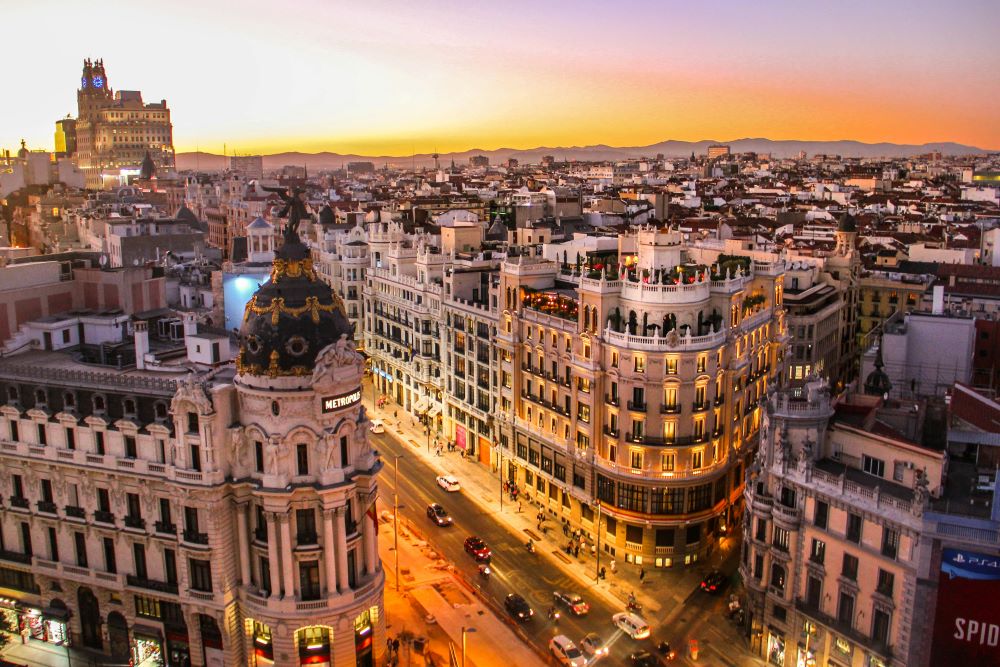
Madrid, the capital of Spain, is one of the most popular travel destinations in Europe with its streets full of art, culture and history. The city offers both classic and modern lifestyles with its unique texture. Located in the middle of Europe, Madrid stands out with its versatile opportunities for those who want to spend a pleasant vacation. In this Madrid guide, we will cover many details such as the history of Madrid, how to get to the city, accommodation alternatives and places to visit. Thus, you will find all the information you need when planning a Madrid tour in a single source. In our madrid city guide article you will find everything you need for your trip
History of Madrid
Madrid dates back to the 9th century. During this period, the settlement, called “Mayrit” by the Arabs, was surrounded by fortified walls. In the 11th century, when the city was conquered by the Christians, Madrid slowly started to become an important city. This region, which had been under the rule of different kings throughout history, was declared the capital by King Felipe II of Spain in the 16th century. After becoming the capital, the city underwent a comprehensive architectural transformation and was enriched with works of art.
By the 17th century, Madrid was home to baroque and neoclassical palaces, churches and monuments reflecting the splendor of the Habsburg Dynasty. Especially important squares such as Plaza Mayor were built during this period. The city became a center of art and culture, with literature and theater attracting much attention. In the following years, new palaces, museums and parks were added to the city’s skyline under the influence of the Bourbon Dynasty.
Modern Madrid continued to be shaped by the industrial revolution in the 19th century and innovative approaches in the 20th century. Today, Madrid is a metropolis that attracts visitors from around the world with its unique architecture, museums and galleries, traditional festivals and vibrant nightlife.Walking the streets of the city, traces of history can be found around every corner.Madrid’s history is therefore not limited to royalty and palaces, but also to a deep-rooted civilization and cultural diversity.
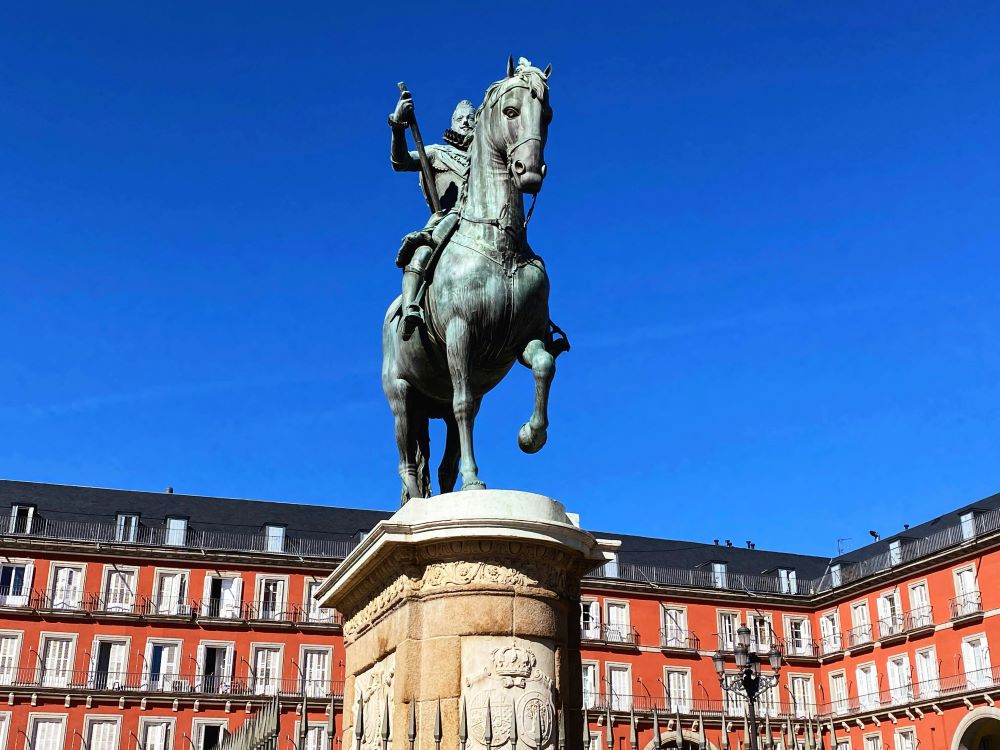
How to get to Madrid?
Located right in the middle of Spain, transportation to Madrid is an experience that is quite easy and offers different alternatives. There are direct flight options from Istanbul or other major cities. Madrid-Barajas International Airport (Adolfo Suárez Madrid-Barajas) is one of the busiest airports in Europe. You can travel to the city with non-stop or short connecting flights from many points in Europe.
Transportation by Airplane
- Travel Time: A direct flight from Istanbul to Madrid takes 4-4.5 hours on average.
- Distance between the Airport and the City Center: Barajas Airport is approximately 13 kilometers from the city center. You can easily reach the city center by metro, bus or taxi. The metro line (line 8) departs from Terminal 2 and Terminal 4 and runs to Nuevos Ministerios station. Bus options include line 200 to Avenida de América or Express line 203 to Atocha Train Station.
Transportation by Train and Bus
If you are planning to travel to Madrid from another city in Europe, you can also take the high-speed train (AVE) or bus. The biggest train station in the city is Atocha. AVE trains are used for intra-Spanish services and some international routes. For those who want to travel by bus, large terminals are located close to the city center. Taking a bus, especially to cities within Spain, can be an economical option for short distances.
Transportation by Private Car
Spain’s highways are generally in good condition and it is possible to get to Madrid from neighboring cities by renting a car or driving your own car. However, being a large metropolis, it is important to bear in mind that traffic can be congested. The city center may be subject to entry restrictions or surcharges at certain times.
Accommodation Options in our Madrid City Guide
Accommodation alternatives in Madrid are quite diverse. From luxury hotels to boutique hostels, from apartments to hostels, there is something for every budget. The neighborhoods in the center of the city offer the advantage of walking to the must-see sights, especially on short breaks. A city center stay therefore allows you to be close to the heart of cultural hotspots and nightlife.
City Center (Centro)
The Centro district is ideal for those who want to easily reach tourist attractions such as Puerta del Sol, Plaza Mayor, Gran Vía and the Royal Palace. Here you can find accommodation for all tastes. Hotels in the city center are usually within walking distance of food, drink and entertainment venues. Staying in this area, known as the heart of Madrid, you can save time and feel the cosmopolitan atmosphere of the city to your bones.
Chueca and Malasaña
If you’re looking for nightlife and alternative culture, the Chueca and Malasaña neighborhoods are for you. Known for their modern cafes, concept boutique shops and lively bars, these neighborhoods attract a young and dynamic crowd. Chueca and Malasaña are popular places to stay in Madrid, with plenty of hotels and hostels. Staying in these areas can be very practical, especially if you plan to party late into the night.
Salamanca and Chamberí
For a quieter and more luxurious stay, check out Salamanca and Chamberí.These neighborhoods are characterized by expensive shopping streets and chic restaurants.Salamanca in particular is home to some of Madrid’s most popular shopping destinations.Where accommodation is a little more costly, there is a concentration of luxury hotel chains and exclusive apartments.
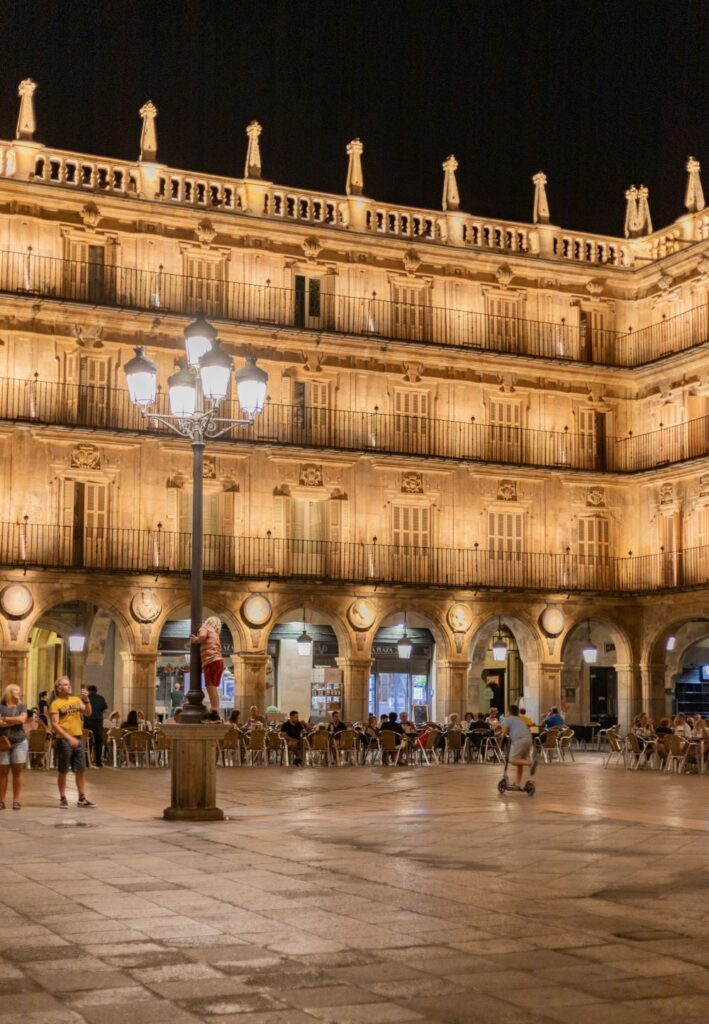
Madrid Attractions
Madrid is a city with countless historical and cultural riches waiting to be discovered.When compiling a list of places to visit in the city, it is important to consider both the classic tourist attractions and lesser-known alternative routes.
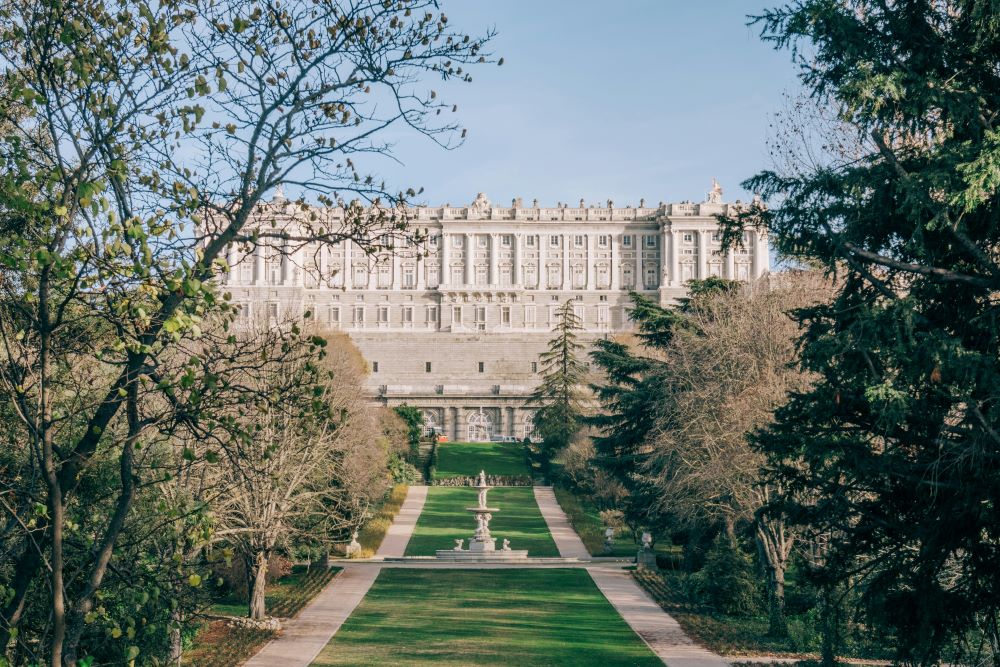
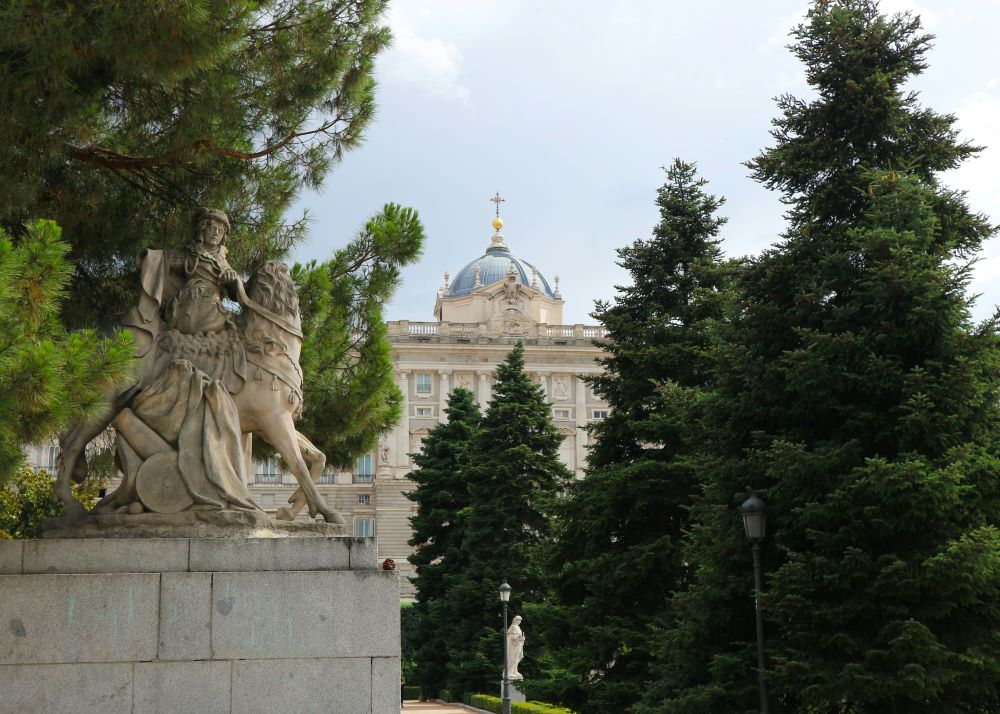
Royal Palace (Palacio Real)
One of the largest palaces in Europe, the Royal Palace is the official residence of the King of Spain. Built in the Baroque style, this majestic building is an architectural marvel from the 18th century. Inside the palace, you can visit different sections such as the Royal Chapel, the weapons collections and the painting gallery. Almudena Cathedral, located very close to the palace, is also an important building you should visit.
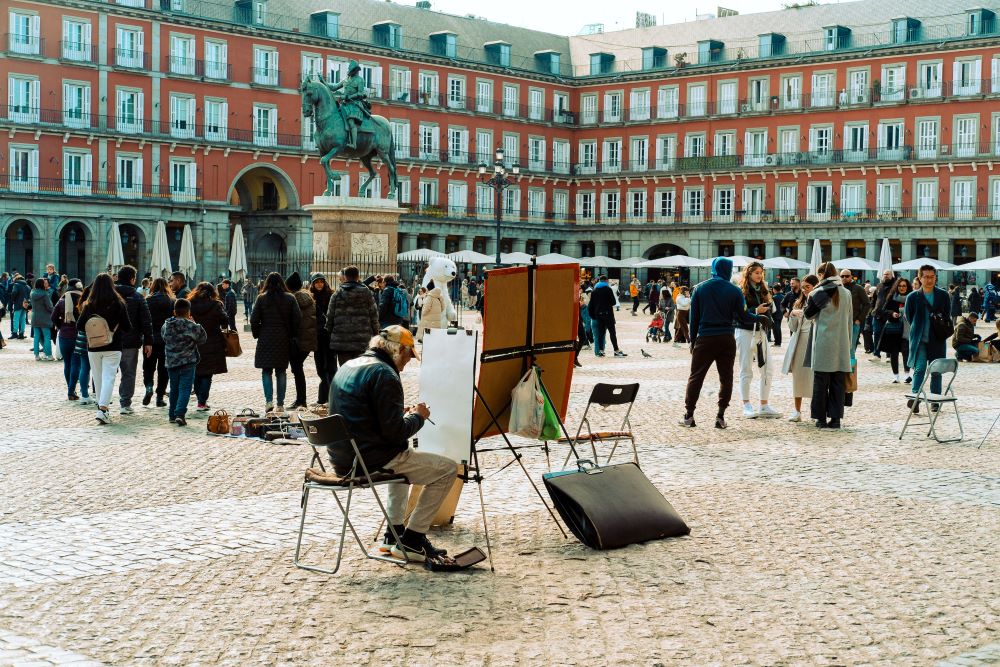
Plaza Mayor
Considered the heart of Madrid, Plaza Mayor is a large and imposing square built in the 17th century. Historically a marketplace, bullfighting ground and the site of ceremonies, today it is a vibrant indicator of local life with its cafes and restaurants. While walking here, you should pay attention to the architectural details and feel the vibrancy and enthusiasm of the city.
Puerta del Sol
Puerta del Sol is another of Madrid’s most famous squares. This area, where the city’s kilometer zero is located, has a lively atmosphere where locals and tourists meet. The symbol of the square is the “Bear and the Strawberry Tree” (El Oso y el Madroño) sculpture. During the New Year celebrations, the eyes of the whole of Spain are on Puerta del Sol. You can also easily reach shopping streets such as Gran Vía from here.
Triangle of Art (Triángulo del Arte)
Madrid is a paradise for art lovers. The Prado Museum, the Reina Sofía Museum and the Thyssen-Bornemisza Museum are all located in close proximity on the Paseo del Prado. These museums house important collections from around the world:
- The Prado Museum: Houses masterpieces by Spanish painters such as Velázquez, Goya and El Greco.
- Reina Sofía Museum: A museum of modern and contemporary art where you can see the most important works of 20th century art. Picasso’s famous “Guernica” painting is exhibited here.
- Thyssen-Bornemisza Museum: Offers a large collection of works from different periods of European art history.
Retiro Park (Parque del Buen Retiro)
Retiro Park is ideal for those looking for a peaceful escape in the middle of the city. One of the most beautiful urban parks in Spain, Retiro is perfect for those who want to get away from city life with its pond, sculptures, gardens and walking paths. Especially on weekends, this area is popular with locals for picnics and outdoor activities, including boating.
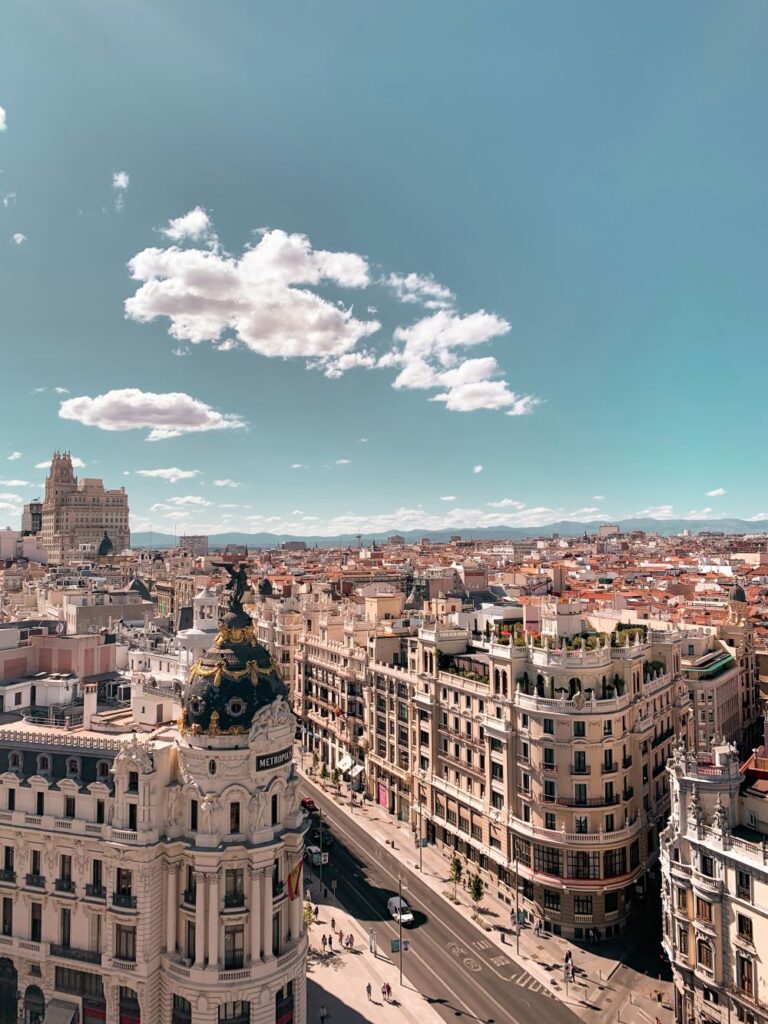
Gran Vía and Shopping
Of course, you can’t visit Madrid without shopping. Gran Vía is one of the city’s most popular avenues, a bustling area of high-rise buildings and bustling pedestrian traffic day and night. Here you will find everything from luxury brands and affordable fashion chains to restaurants, cinemas and theaters. Illuminated in the evening, Gran Vía creates a truly cosmopolitan ambience.
Food and Drink Experience in Madrid
Spanish cuisine is renowned worldwide for its delicious dishes made with olive oil and fresh ingredients. Madrid is home to a very rich gastronomic scene, thanks to the immigrant population from different regions.
Tapas Culture
Tapas culture, which is widespread throughout Spain, is also kept alive with great enthusiasm in Madrid. Served in small portions in bars or restaurants, tapas allow you to try different flavors while chatting with your friends. Potato omelette (tortilla), seafood, croquettes and cheese and charcuterie plates are among the most popular tapas.
Traditional Food
- Cocido Madrileño: A traditional Madrid dish consisting of a mixture of chickpeas, vegetables and meat. It is especially preferred on cold winter days.
- Bocadillo de Calamares: A sandwich filled with hot and fried squid rings. You can often find it in small kiosks in and around Sol Square.
- Churros: A breakfast or snack, churros are made by frying strips of dough and served with hot chocolate.
Popular Food and Drink Areas
- La Latina: This old Madrid neighborhood is famous for its tapas bars and local restaurants. After the “El Rastro” flea market on Sundays, you can go on a tapas tour in La Latina.
- Huertas/Barrio de las Letras: This literary neighborhood is known for its lively bars and restaurants. For dinner, you’ll find places serving authentic Spanish cuisine.
- Chueca: Chueca is a modern and trendy neighborhood with a good selection of international cuisine and vegan/vegetarian restaurants.
Conclusion
Madrid offers visitors an unforgettable experience in every sense. While exploring Madrid’s history, you can also visit modern art galleries or lively bars. The city is easy to get around thanks to its transportation network and the density of tourist attractions.
The city, which hosts both central accommodation and alternative neighborhoods that appeal to different budgets, gives everyone the opportunity to plan a suitable holiday. Do not forget to add the Royal Palace, Plaza Mayor, Puerta del Sol, Retiro Park and the museums in the Art Triangle to your list of places to visit in Madrid. In addition to these, an evening walk along Gran Vía street or pleasant hours spent in tapas bars will help you get to know the city better.
With its cheerful and warm atmosphere, friendly people and cultural diversity, Madrid offers different experiences to its visitors every time of the year. If you are a fan of art, history, shopping and food and drink, Madrid is definitely a destination that will exceed your expectations. It is recommended to give yourself plenty of time to explore the city and experience life on the small streets to be part of the local culture.
Frequently Asked Questions About Madrid
- How many days is enough to stay in Madrid?
Usually a 3-4 day program will be enough to see the city’s main sights. However, if you want to visit the museums and art galleries in detail, attend local festivals or explore the surrounding towns, you can plan a trip of up to 1 week. - How is public transportation in Madrid?
Metro, bus and train lines are spread all over the city. It is very easy to use public transportation in Madrid as the metro network is well developed. It is also possible to reach many places on foot in the center of the city. - Where is the nightlife in Madrid concentrated?
Malasaña, Chueca and La Latina areas are famous for their bars and nightclubs. You can also find different concept venues around Gran Vía. Madrid nightlife usually stays active until late.
Take a look at our Spain Category